Dear all,
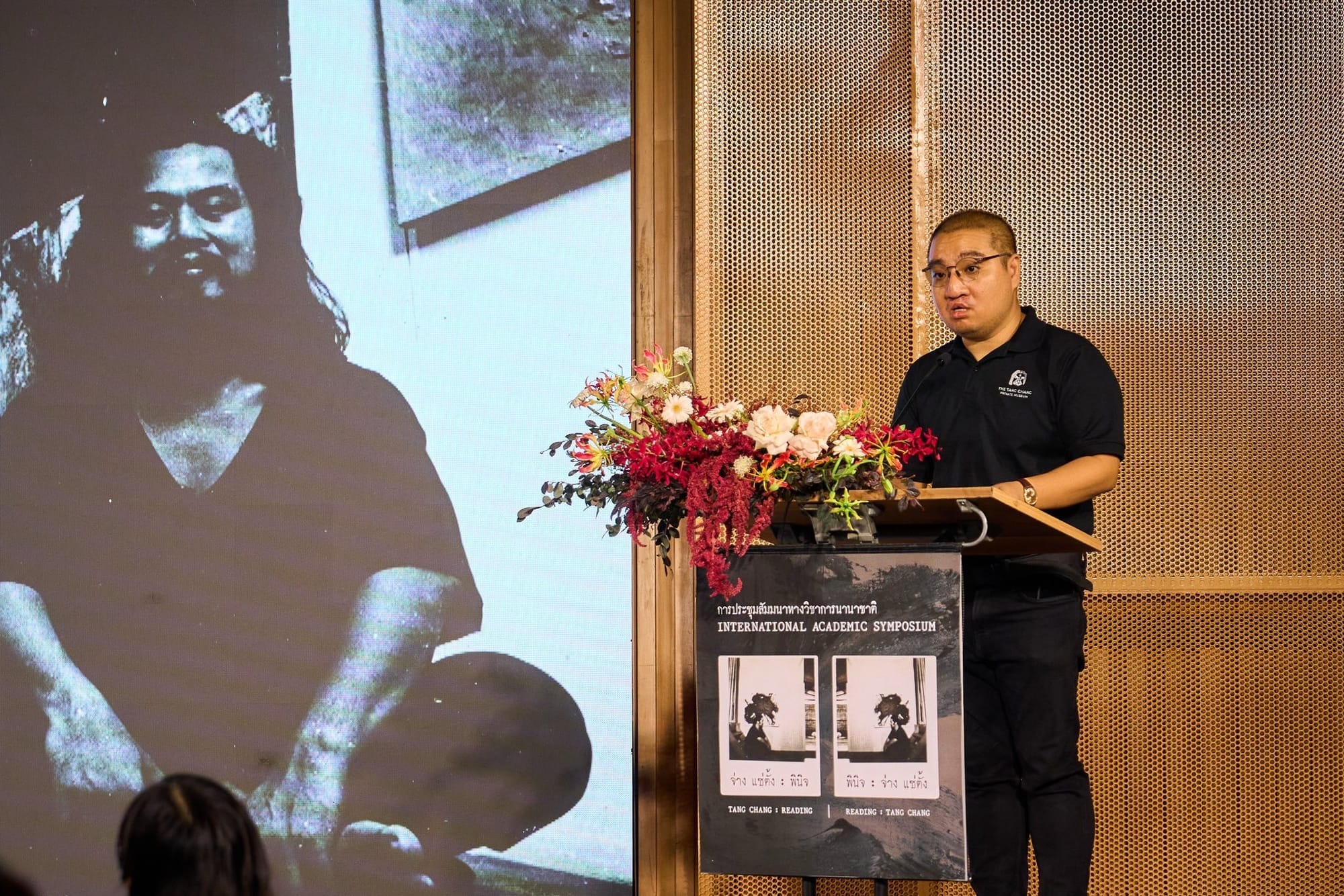
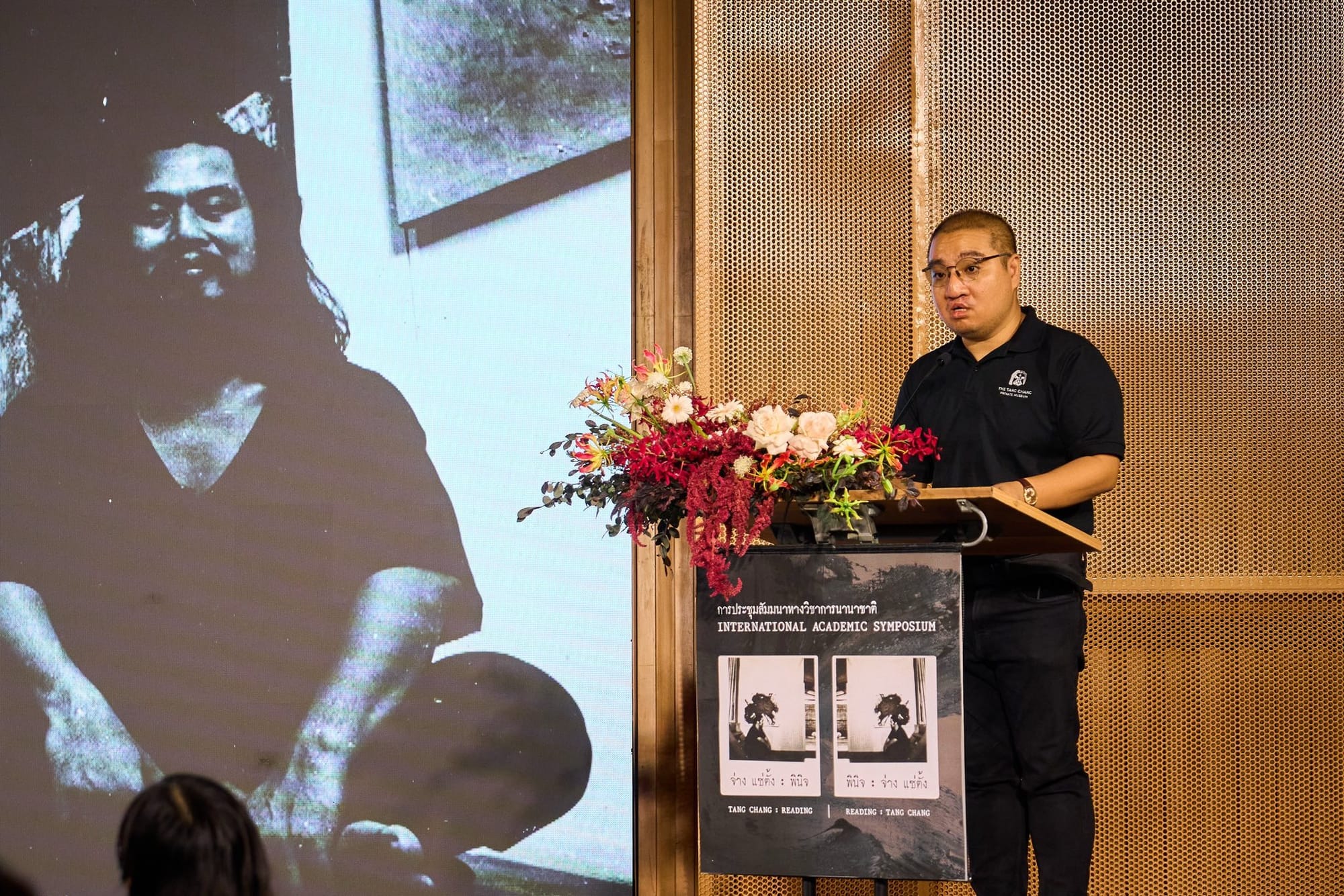
On 2 May 2026, the Tang Chang Private Museum, in collaboration with the Bangkok Art and Culture Centre (BACC), organized the international symposium Tang Chang: Reading | Reading: Tang Chang as part of the opening program of the Tang Chang Private Museum.
The symposium was warmly received and brought together an important group of scholars and researchers, including Yin Ker, David Teh, Chanon Kenji Praepipatmongkol, Iola Lenzi, Simon Soon, Sarena Abdullah, Liang Jing, Worathep Akkabootara, Kornphanat Tungkeunkunt, Apiradee Charoensenee, Isara Choosri, Sheryl Gwee, Onpimon Imsumran, and Maythawee Holasut.
The symposium allowed us to think through Tang Chang’s work from multiple perspectives and demonstrated the many possibilities through which a single artist can be studied, interpreted, and situated within broader discussions of art, literature, philosophy, and modernism.
More importantly, the symposium demonstrated how essential research and scholarly exchange are to the future of an artist’s estate. For the Tang Chang's Estate, symposiums, discussions, and academic collaborations are not supplementary activities surrounding the artworks; they are part of the core infrastructure through which knowledge is produced, expanded, and sustained.
In the opening remarks, Nawapooh Sae-tang, Director of the Tang Chang Private Museum and Director of the Tang Chang's Estate, reflected on the vision behind the management of the estate. One of the central ideas proposed was that an artist does not exist in the art world through artworks alone, but through knowledge.
From this perspective, research, discussion, and interpretation are not secondary activities, but essential foundations for sustaining an artist’s legacy in history.
The speech also reflected on the development of the Tang Chang Estate over the past decades — from the initial phase of preservation following Tang Chang’s passing in 1990, to a more systematic framework structured around three interconnected areas: Research, Institution, and Market.
Research forms the foundation of interpretation and knowledge production. Institutions create visibility, accessibility, and public engagement. The market, meanwhile, should not be understood as the final objective of an artist’s estate, but as a supporting mechanism that enables long-term sustainability for research and institutional development.
The speech emphasized that works entering the market must be handled with great care and responsibility. Different groups of works require different approaches, and decisions surrounding the market must remain aligned with the broader mission of preserving, studying, and contextualizing the artist’s legacy.
Rather than viewing artworks as isolated objects, the estate proposes understanding them as part of a larger ecosystem of knowledge.
From this vision, the Tang Chang Private Museum is not only a space for exhibiting and preserving artworks, but also a platform for education, research, dialogue, and experimentation.
We sincerely look forward to future exchanges and collaborations with other artist estates, museums, institutions, scholars, and organizations as we continue building broader conversations around artistic legacy and knowledge production in Asia and beyond.
Warm regards,
The Tang Chang Private Museum
The Tang Chang's Estate